
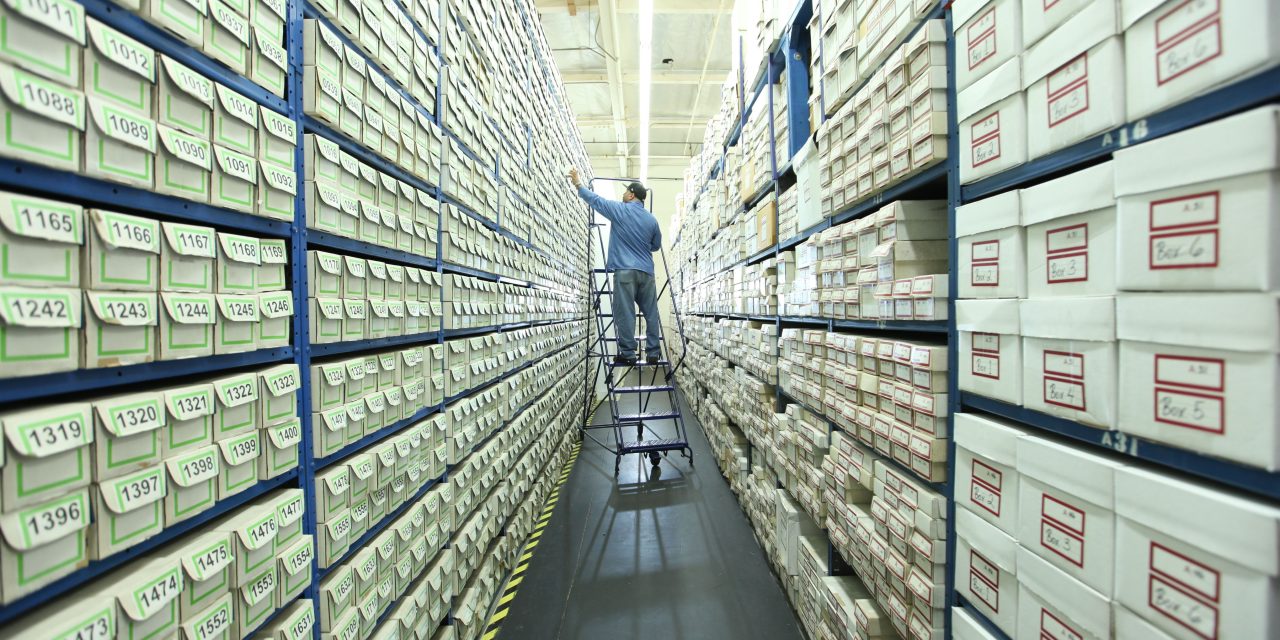
Electronics manufacturers have learned that they must pay attention to their “golden screws,” the one or two critical components needed to finish production and start generating revenue. “Just in case” means keeping these critical items in stock so that when a situation arises that disrupts the supply chain, like a pandemic, civil unrest, or international conflict, there are still enough to continue manufacturing products, according to Mike Thomas, vice president and global general manager at Classic Components, a premier independent distributor based in Torrance, CA.
 “There are a lot of “golden screws” that companies couldn’t get their hands on and many products that couldn’t be shipped. They are shifting their strategies to ensure they always have golden screws in the future,” Thomas notes.
Combining these two inventory strategies gives organisations the best of both worlds; the low inventory and available capital of JIT with the security of JIC and Classic Components can offer its partners this balance when it comes to electronic components.
“With companies like ours, we invest our own money to purchase items for customers ahead of time. We keep a certain amount in buffer stock, ship it out when needed and then get paid by the customer. In doing so, the customers achieve their goal of having only what they need, when they need it,” explains Thomas.
To accomplish this, the company invests its own capital to secure “golden screw” items for customers and hold them in inventory until they are needed, however long that might take. This is a unique offering within the independent channel and only the largest, most financially stable distributors are willing or able to do so.
However, customers need to be willing to shift their strategy to accommodate a JIC philosophy. Organisations must have the foresight and awareness to anticipate future orders not yet placed and be proactive about securing that inventory required to ensure there are no delays when the product is needed.
Thomas adds that the items that have been difficult to find are not always complicated parts. OEMs require simple electronic components to make products in the same way nails and screws are required to construct a house.
“It is important to adopt a “just in case” philosophy both for less sophisticated items along with higher end items as well, to cover all the bases,” says Thomas. “To extend the construction analogy, if a house is built with nails and screws, it will also require expensive fixtures to be completed.”
The distributor can help secure these items for the OEM without asking for money up front and assist with the logistics of transporting the items when needed. They do this by being flexible in their approach and shipping material, whether upstream or downstream, including to contract manufacturers, sister companies and subsidiaries.
Although authorised distributors provide added value such as engineering support, contractual obligations dictate all materials must come directly from the factory. This makes sense when the supply chain is operating as expected and there are no global pandemics or other supply chain constraints. Pandemic disruptions, however, created lead times in the regular distribution space of up to 50 weeks for parts that used to be available in eight to 18 weeks, a massive disruption that independent distributors can work around more easily.
Regular authorised distributors may also struggle to get parts because the contractual agreement that these companies sign prevents them from sourcing products in the open market. Independent distributors like Classic Components can lock in prices and delivery dates using its vast network of supply chains and partners for many months at a time. This ensures that the inventory will be there when the customer needs it and not sold to someone else.
“It is a philosophical adjustment. Companies have to look in the mirror and say: we built our organisation on “just in time” and that is how our shareholders measure us, but we need to secure the “golden screws” to protect against any possible future disruptions,” says Thomas.