

AI and Firmware integrated Medical Devices represent a groundbreaking fusion of artificial intelligence (AI) algorithms with hardware, reshaping the landscape of healthcare. For electronic engineers, these devices offer a unique intersection of cutting-edge technology and medical innovation. AI’s analytical prowess enables in-depth patient data analysis, aiding in diagnosis and treatment planning, while firmware governs device operations, ensuring precision and safety.
Here’s how AI and Firmware medical devices are reshaping healthcare specifically for electronic engineers:
Advancements in Embedded Systems in Healthcare
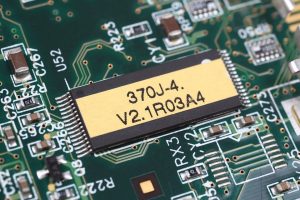 Embedded systems, a cornerstone in healthcare technology, cater to a myriad of functions, ranging from diagnostics and monitoring to treatment and management. For electronic engineers, clinical devices such as MRI machines, CT scanners, and ultrasound systems present intricate challenges in hardware design and integration of AI algorithms for precise imaging and analysis.
Implantable medical devices like pacemakers and insulin pumps require meticulous engineering to seamlessly integrate embedded systems, enabling real-time physiological monitoring and therapy delivery. Additionally, wearable health devices demand innovative solutions in hardware design and firmware development to ensure seamless integration and accurate data monitoring, promoting preventive healthcare.
Remote patient monitoring systems, pivotal in modern healthcare, rely on sophisticated embedded technology engineered by electronic experts to track patient data and facilitate seamless transmission to healthcare providers. Furthermore, pharmacies benefit from electronic engineers’ expertise in embedded systems for automation, inventory management, and dosage calculations, enhancing medication safety and efficiency.
The Rise of AI Medical Devices and Machines
 The proliferation of AI medical devices signifies a paradigm shift in healthcare delivery, driven by electronic engineers’ expertise in hardware design and AI integration. AI’s ability to swiftly analyse vast healthcare datasets empowers electronic engineers to develop innovative solutions for diagnosis, treatment planning, and predictive analytics, ultimately improving patient outcomes.
Personalised and precision medicine, made possible through AI-driven medical devices, presents electronic engineers with exciting challenges in customising treatments based on individual patient profiles. This necessitates a deep understanding of both hardware and AI algorithms to develop tailored solutions that enhance patient care and experience.
Workflow optimization and efficiency, vital for healthcare organisations, are facilitated by AI medical devices engineered by electronic experts. These devices automate routine tasks, streamline administrative processes, and enhance decision-making, underscoring the critical role of electronic engineers in driving healthcare innovation.
The Future of AI and Firmware in Healthcare
 Looking ahead, the future of healthcare technology holds boundless opportunities for electronic engineers. AI’s continued evolution as a powerful tool for data analysis and treatment optimization presents exciting challenges in hardware design and firmware development. Electronic engineers will and do play a pivotal role in advancing firmware embedded within medical devices to ensure seamless integration and cybersecurity, prioritising patient safety and data privacy.
In diagnostics, AI-powered imaging technologies promise unprecedented accuracy and speed, demanding innovative solutions from electronic engineers to optimise hardware design and AI integration. Similarly, predictive analytics driven by AI algorithms will revolutionise treatment planning, requiring electronic engineers to develop cutting-edge solutions that enhance personalised medicine and improve patient outcomes.
As AI-driven virtual assistants and chatbots become integral parts of healthcare delivery, electronic engineers will be at the forefront of developing innovative solutions that optimise patient engagement and streamline access to healthcare services.
In conclusion, the convergence of AI and firmware technologies in healthcare presents electronic engineers with unparalleled opportunities to drive innovation, enhance patient care, and shape the future of healthcare delivery systems. By leveraging their expertise in hardware design, firmware development, and AI integration, electronic engineers are poised to play a transformative role in revolutionising healthcare for individuals and communities worldwide.
For more information, please visit https://www.ko2.co.uk/