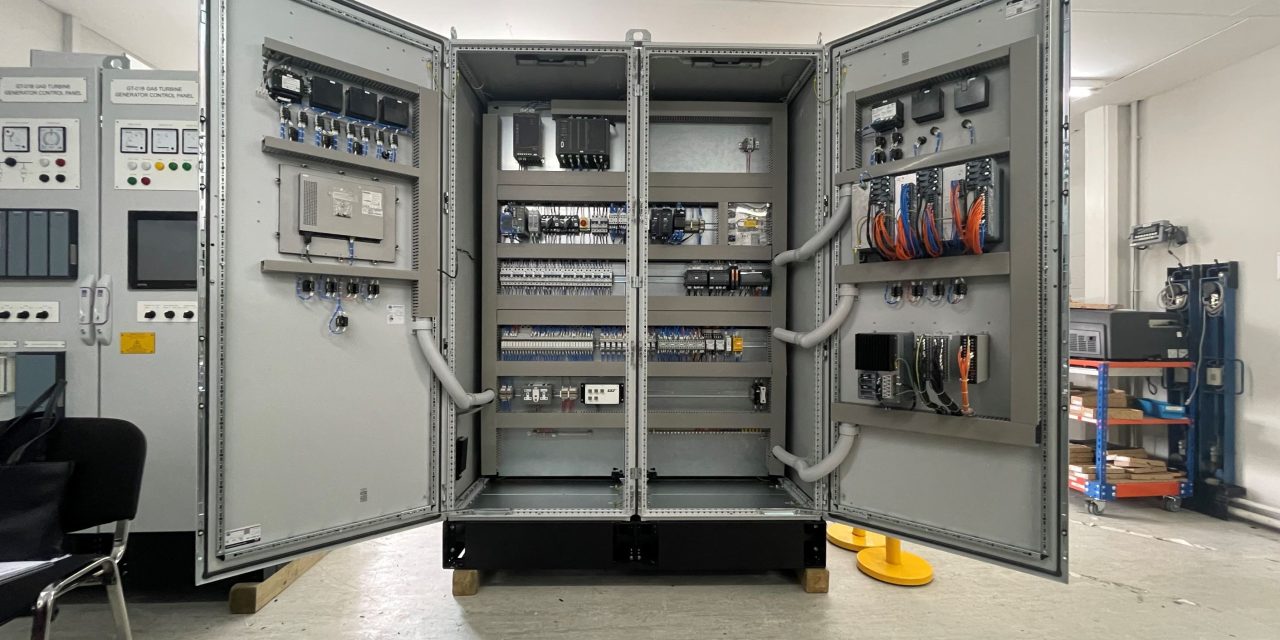
Managing obsolescence is crucial in the energy sector, where power plants have lifespans ranging from 20 years for wind farms to 50 years for nuclear plants. When a part becomes obsolete, plant engineers without a maintenance strategy risk costly downtime and loss of reputation if that part fails. Therefore, anticipating maintenance needs and system failures becomes essential. Here, Richard Howlett, Operations Manager at excitation control specialist Excitation Engineering Services (EES), discusses how access to a robust inventory is vital to ensuring uninterrupted operations and overcoming obsolescence challenges.
Effective obsolescence management relies on establishing strong sourcing partnerships to ensure access to critical components, such as excitation modules, protection relays and automatic voltage regulators (AVRs), even as they phase out of production. By engaging with expert, well-stocked partners, businesses can manage obsolescence challenges effectively without taking on the investment, storage and administrative burdens of keeping their own inventories.
Sourcing obsolete components allows businesses to keep legacy systems operational even if a component no longer supported by the OEM fails. These increasingly scarce parts are vital for plant managers to ensure continuous operation. Spares holding partners typically offer repair and service exchange options for faulty modules; in excitation engineering, this means supporting both current and outdated synchronous machine excitation systems.
Obsolete components
 Excitation modules control synchronous machine output by managing field current to ensure stable voltage and frequency. Typically lasting 20 to 30 years, their lifespan varies with operating conditions. For instance, a high humidity environment can cause premature corrosion without proper sealing. Common failures include electronic degradation, voltage regulation issues and communication failures, accelerated by environmental factors, operational loads and maintenance gaps.
Protection relays are necessary to safeguard synchronous machines from abnormal operating conditions, detecting anomalies such as overcurrent, overvoltage and faults. Lasting 15 to 20 years, their lifespan is influenced by usage intensity and environmental exposure. Factors like frequent switching or harsh environments, such as dust-prone or humid areas, can accelerate failures like contact degradation and sensor malfunctions that stem from electrical stress and inadequate maintenance.
Proactive maintenance and access to spare obsolete components can mitigate these risks, such as component aging and scarcity, forming the basis of an effective obsolescence management strategy.
Critical failures in critical components
 Failures of critical components in synchronous machine control systems can lead to significant damage and operational disruption. For example, a malfunctioning excitation module can cause unstable voltage output, leading to potential damage to the machine and connected systems. Protection relay failures might allow faults to go undetected, risking catastrophic equipment damage. AVR failures can also result in voltage instability that can affect the entire power supply system.
These issues contribute to unplanned downtime, disrupting operations and incurring substantial repair costs. The financial implications include lost production, emergency repair expenses and potential penalties for failing to meet power supply agreements, showing the need for proactive spares holding.
Overhauling a system with entirely new components can be prohibitively expensive, involving high upfront costs and extended downtime for installation. In contrast, sourcing replacement of obsolete components from companies like EES offers a cost-effective alternative. Replacement of failed components allows the continued use of existing systems and infrastructure with minimal disruption and lower costs, ensuring the full lifetime of synchronous machines without the substantial investment required for complete system overhauls.
Given the long lifespans of power plants, proactive obsolescence management is essential to eliminate the risk of a component failure becoming a catastrophe. Access to a reliable inventory of spare parts is crucial for uninterrupted operations and cost mitigation. Cooperation with an expert engineering partner ensures that backup parts are available when needed, reducing downtime and assuring the operational life of synchronous machine systems.
For more information about the after-sales support EES offers for obsolescent modules, visit excitationengineering.co.uk/gec-c10-120-specialist-service/ or call a member of the team on 01827 286100.